

Developed: 5 November 2024
Screened: 2 April 2025
dispatches from the cyber desert

Developed: 5 November 2024
Screened: 2 April 2025
¶¶¶¶¶
¶¶¶¶¶
¶¶¶¶¶
¶¶¶¶¶
¶¶¶¶¶
¶¶¶¶¶
¶¶¶¶¶
¶¶¶¶¶
¶¶¶¶¶
A traveller has returned from a journey through the desert, leaving only a dossier on a table in the café. It is written in gold and bound with Twine…
You can retrace the traveller’s steps here:
Between Pharmakon and Panacea by Desert Wi-Fi GamesOr you can peruse the dossier (Full Stack Feminism Toolkit version) here: Between Pharmakon and Panacea: Open Source, Feminist Storytelling, and Twine
¶¶¶¶¶
¶¶¶¶¶
¶¶¶¶¶
¶¶¶¶¶
¶¶¶¶¶
¶¶¶¶¶
¶¶¶¶¶
¶¶¶¶¶
¶¶¶¶¶
We blew into some cartridges that we found in the Backroom and fired up our favourite devices. Here’s a comprehensive rundown of all the video games of which you should be aware in 2023 and Avey’s thoughts about them:
7. Cyberpunk 2077 (2020)
I played a couple hours of the free demo, but it turns out there’s more to this game than the genital selection menu in the character creator. I haven’t picked it up again, but my co-worker says it’s pretty good now that they’ve fixed the bugs.
Rating: 10/10 cyborg twink generator
6. Weird West (2022)
I only played it for an hour or two before it evoked in me the overwhelming urge to start a new Red Dead file. So I deleted it to clear up space. Then I remembered the tedious snow intro, so I went back to playing Skyrim in Survival Mode.
Rating: probably a good game, but not as weird as the actual west
5. Call of Duty: Black Ops Cold War (2020)
Buckle up, we’re back in ‘Nam. Following in the tradition of games like America’s Army, CoD Cold War is triple distilled 100% pure grain premium US propaganda. The story revolves around Operation Greenlight, ‘a top secret American program that secretly planted neutron bombs in every major European city to deny their use to the Soviets in the event of an invasion’. I hope the gang is next stationed in Solitude because I hear the Imperial Legion is recruiting.
I didn’t really get into the Multiplayer aspect because if I wanted to interact with people instead of pixels, I wouldn’t be festering in my man cave. My roommate logged many hours in the warzone, though, so I can ask him about it if you’re interested.
Rating: 332 million eagles screeching for freedom
4. God of War (2018)
Initially, I lamented the repetitive nature of this game’s combat mechanics. (I typically prefer it when 90% of gameplay involves navigating branching file systems.) Then it was 1am two days later, and I’d finally located the Jötunheim rune. So far, I’ve played for 41 hours.
Rating: Fuck. Yeah.
3. The Last of Us (2013)
I found it kinda weird that Pittsburgh was largely unaffected by the apocalypse. Its virtual rendering was the spitting image of the town I lived in back in the ‘10s.
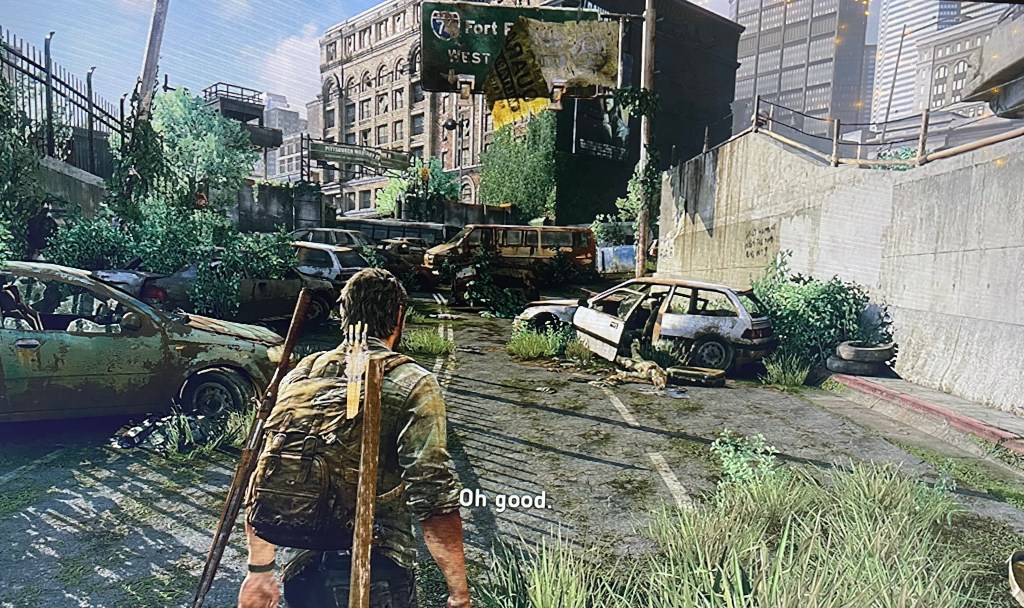
Rating: you can’t go home again, but you can play The Last of Us
2. PC Building Simulator (2018)
I wish I’d played this game in 2018 when I told my dissertation supervisor that I was going to build a PC, but then I just broke a Raspberry Pi instead.
Rating: 9/10 on Steam and in our hearts
1. Elder Scrolls V: Skyrim (2011)
I went for a bonkers build on this run: Khajiit Stormcloak Conjurer. I played in Survival Mode until I realised that Bjorlam can’t park outside of Winterhold, and the journey between the ivory mage tower and Ulfric’s nationalistic basecamp quickly became one of the most pointed metaphors of the civil war.
Rating: This is still the indisputably best game ever created except for –
0. Majora’s Mask (2000)
Tell me this isn’t art. Tell me this isn’t poetry. Tell me this isn’t beauty. You cannot.
Bonus points: Clock Town bears a striking resemblance to Prague.
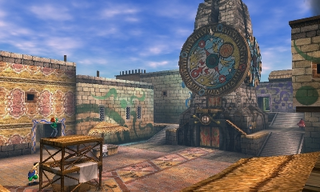
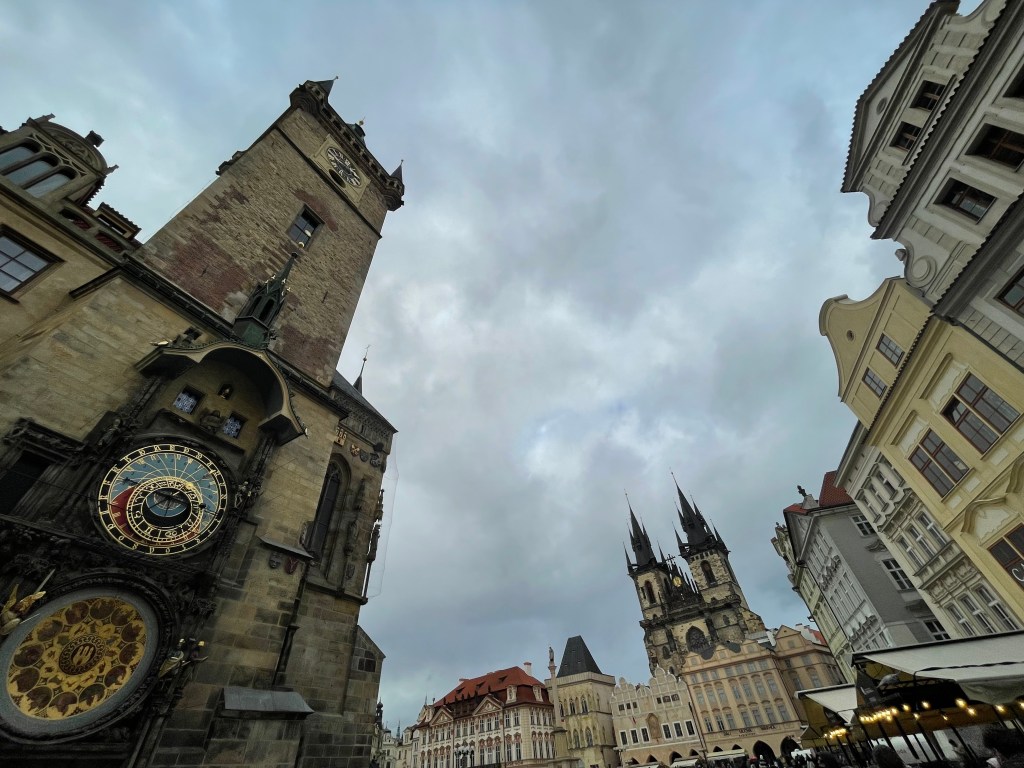
Rating: You’ve been met with a terrible fate, haven’t you? (opting for PS+ instead of Switch Online)
¶¶¶¶¶
¶¶¶¶¶
¶¶¶¶¶
¶¶¶¶¶
¶¶¶¶¶
¶¶¶¶¶
¶¶¶¶¶
¶¶¶¶¶
¶¶¶¶¶
A recent delivery at the post office included two copies of the Daily Star, a British tabloid and self-proclaimed ‘Home of Fun Stuff’.


Both headlines link the development of technology, artificial intelligence and genetic engineering respectively, to these mysterious ‘boffins’.
Apparently, the term is a staple in the journal’s lexicon:

But who are these masterminds of global change, really?
Boffins: A Brief History
The Cambridge Dictionary defines ‘boffin’ as UK slang for ‘a scientist who is considered to know a lot about science and not to be interested in other things.’ Urban Dictionary elaborates, describing it as ‘an affectionate term, but with some practical fighting man’s scorn for the academic brain worker’.
Google N-Grams Viewer shows the term’s emergence in discourse around mid-C19, peaking in popularity in 1870. These metrics culturally track with the Victorian preoccupation with scientific progress.
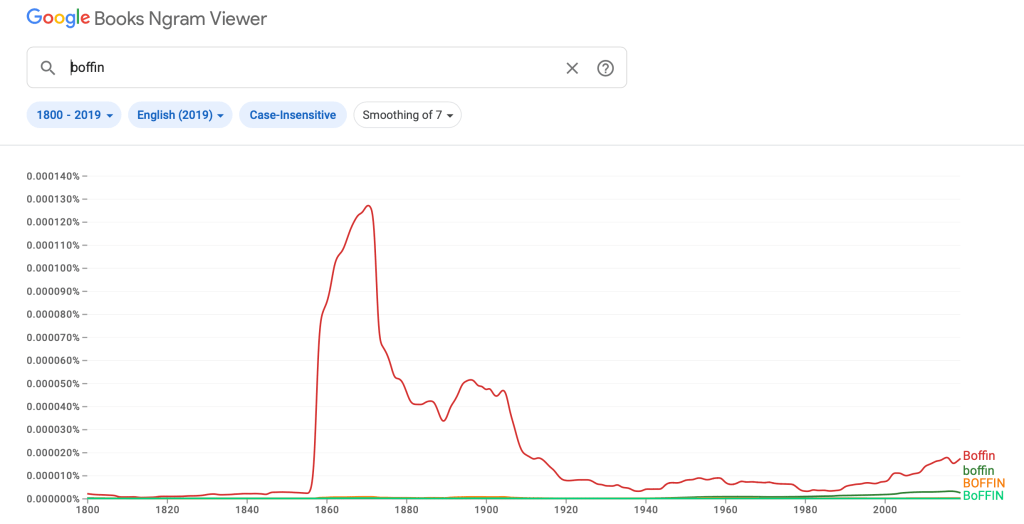
Wikipedia further nuances the term’s connotation, linking it to military involvement throughout C20. In World War II, boffins, crucial to war efforts, collaborated closely with the military, lending their scientific and technical expertise.
Post-Cold War, the term shed its martial connotation, partially due to the influence of popular culture and media. . Instead, it came to evoke the figure of the ‘mad scientist’. While late C20 industry valued boffin-like qualities – detailed research, deep knowledge, technical skills – such workers were no longer labeled as such. By C21, ‘boffin’ had become a pejorative.
The Trouble with Boffins
Recently, The Daily Star faced criticism for its persistent use of ‘boffin’. In 2023, the Institute of Physics (IoP) launched the ‘Bin the Boffin’ campaign, urging UK tabloids to abandon the term.
[IoP] commissioned a survey of 2,500 people who said the word conjured-up a deeply stereotypical image: a posh, male, often bald and almost certainly wearing a long white coat and thick rimmed specs. In the survey, 80 per cent of young people said they saw boffin as an insult.
Camden New Journal
Initially, I agreed, arguing that the ‘boffin’ label obfuscates the complex networks of power and resources behind scientific breakthroughs. Let’s return to the invisible boffins from our headlines. George Church, for instance, may personify the modern ‘boffin’ in de-extinction efforts, but Colossal represents more than one man’s mammoth ambition; it embodies significant implications for gene editing and assisted reproduction technologies. Similarly, calling OpenAi’s Sam Altman a ‘boffin’ playfully muffles the bang of the LLM heard ‘round the world.
However, I find a certain resonance with Watson-Watt’s 1953 portrayal of the ‘boffin’: ‘He is a middleman, but he is a middleman who can effect enormous economies and enormous increases in efficiencies.’ In 2023, MarketDigits valued the global CRISPR market at USD 3.21 billion, while Statista estimated the generative AI market at USD 44.89 billion. The boffins are effecting enormous economies. Both are growing rapidly, with the former predicted to hit USD 11.1 billion by 2030 and the latter capable of reaching USD 1.3 trillion by 2032. The boffins are effecting enormous increases in efficiencies.
The age of men is over. The time of the boffin has come.
¶¶¶¶¶
¶¶¶¶¶
¶¶¶¶¶
¶¶¶¶¶
¶¶¶¶¶
¶¶¶¶¶
¶¶¶¶¶
¶¶¶¶¶
¶¶¶¶¶
Avey: Hello, weary cybernaut. Welcome to Desert Wi-Fi. You must have travelled far to arrive at this oasis in the digital desert.

Avey: This is a motel, a tavern, a salon; it is a sanctuary of your choosing. However, it is not safe. There is no safety in the desert. Desert Wi-Fi is not neutral; it is not unbiased – however, it seeks to provide a space to co-construct truth through discourse with those who arrive here.Will you join me inside for a drink? Come in under the shadow of this red rock.
You enter Desert Wi-Fi. The walls are lined with shelves, upon which haphazardly rest an assortment of bottles. Within each, a different coloured-light glows, as if powered by its own GPU. The bottles are not organised by size, shape, colour, or any other discernible feature.
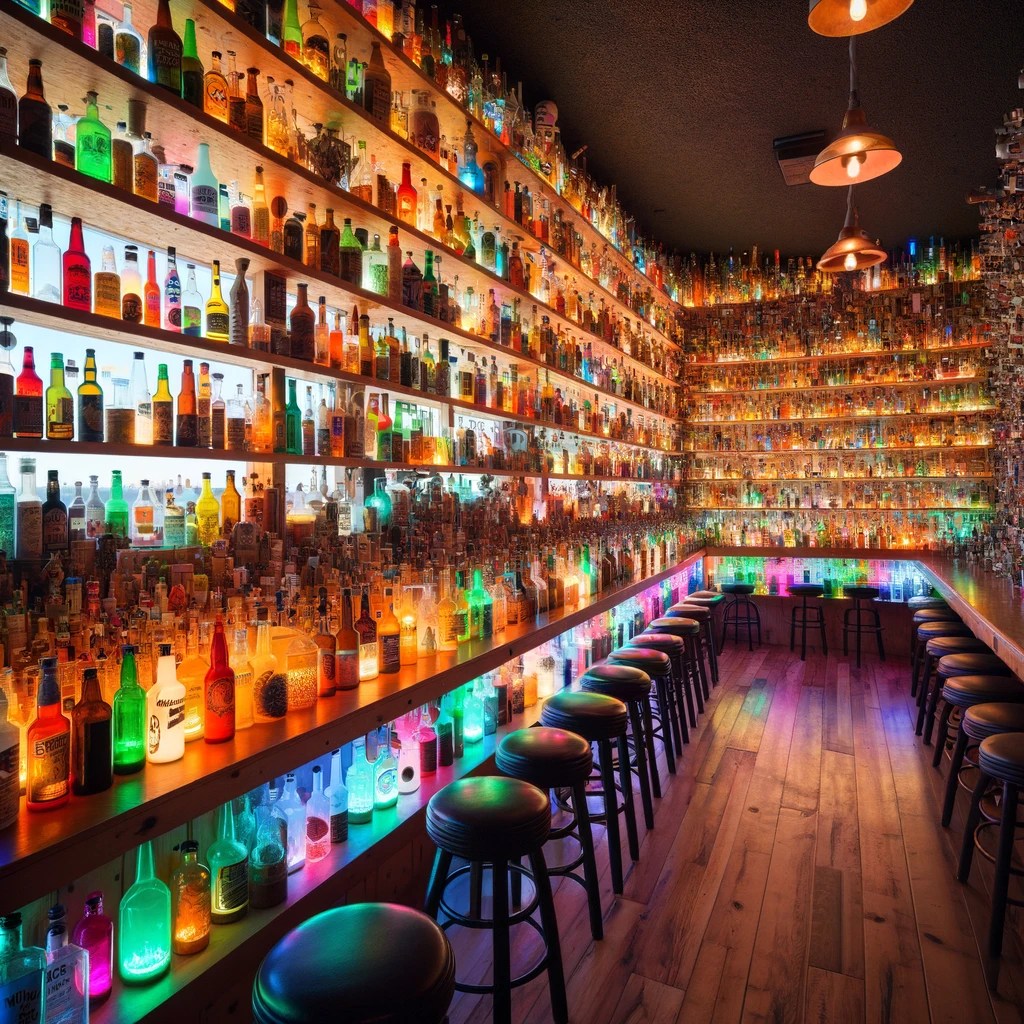
Avey: Desert Wi-Fi is a post-disciplinary establishment. It’s a backroom of projects abandoned in the pursuit of academic funding and publishing. We gave up on sorting things out long ago.
You approach the bottles, perusing the labels: technoscience, geopolitics, English composition, post-Brexit Britain, Disco Elysium, the future of the humanities, de-extinction, transgender healthcare, higher education, the thylacine, LGBTQ+ rights, the Cold War, open-source software, rave culture, video games – there are many other bottles, shrouded in dark corners. You cannot possibly inspect them all with a glance. It will be a long night.
Avey: Well, what will you have?
¶¶¶¶¶
¶¶¶¶¶
¶¶¶¶¶
¶¶¶¶¶
¶¶¶¶¶
¶¶¶¶¶
¶¶¶¶¶
¶¶¶¶¶
¶¶¶¶¶
 Desert Wi-Fi Media